Control the reaction. Perfect the cell.
Every catalyst we make is a decision about timing — how fast the blow reaction outruns the gel, and what that does to the cell it leaves behind. Twenty-four grades, one balance to get right.
Scroll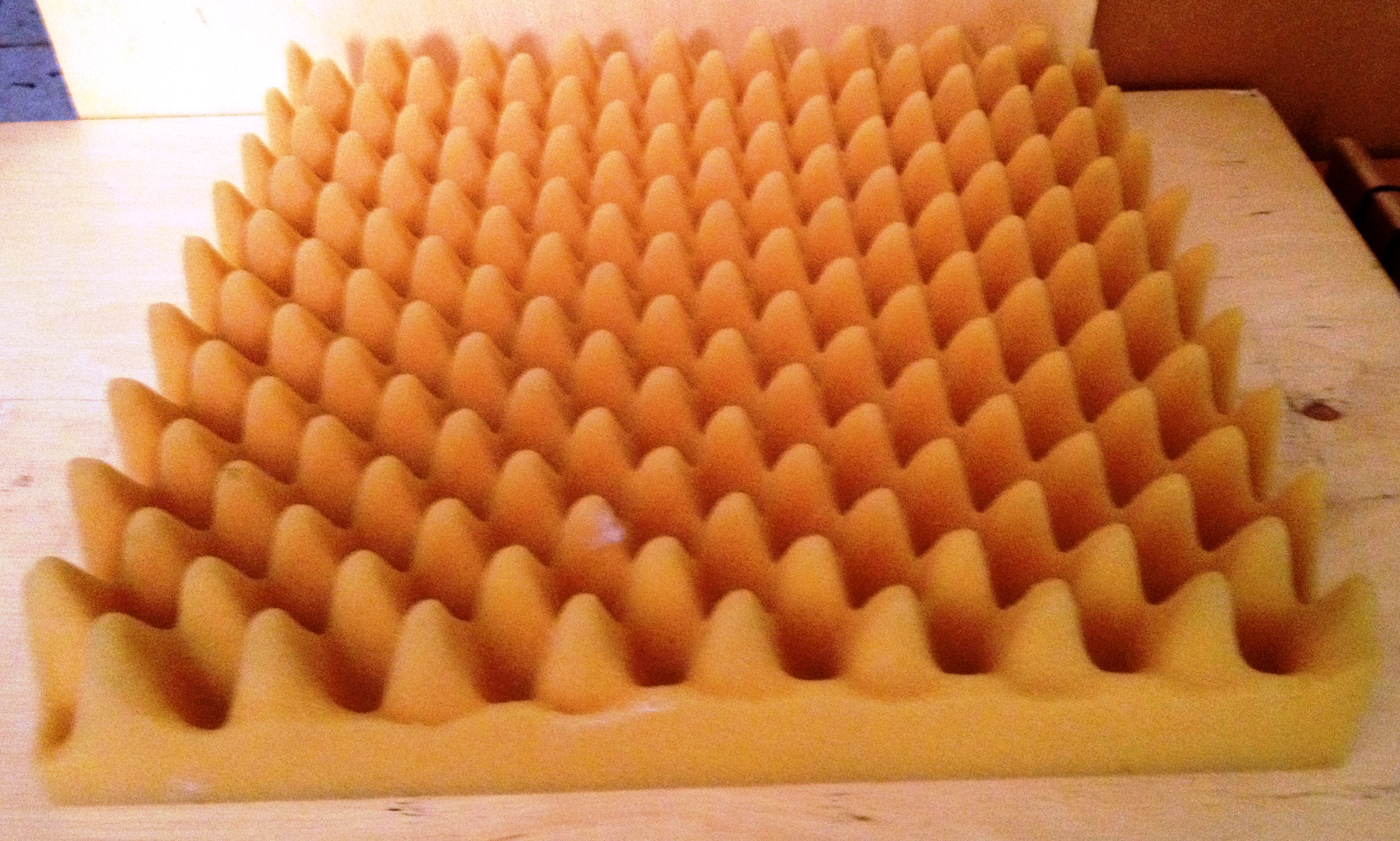
Flexible Foam
Gel and balance catalysts for high-resilience, molded, and slabstock flexible foam — furniture, bedding, and automotive seating.
ISP CAT 1225
Effective gel catalyst for the reaction between isocyanate and hydroxyl groups, promoting polymer build and cure…
ISP CAT LT7817
Low-temperature cold-mold fast-cure catalyst that speeds maturation in cold molding, with low viscosity for easy handling.
High-Resilience Catalyst C-225
Balanced catalyst for high-resilience flexible polyurethane foam, delivering excellent load-bearing and rebound performance.
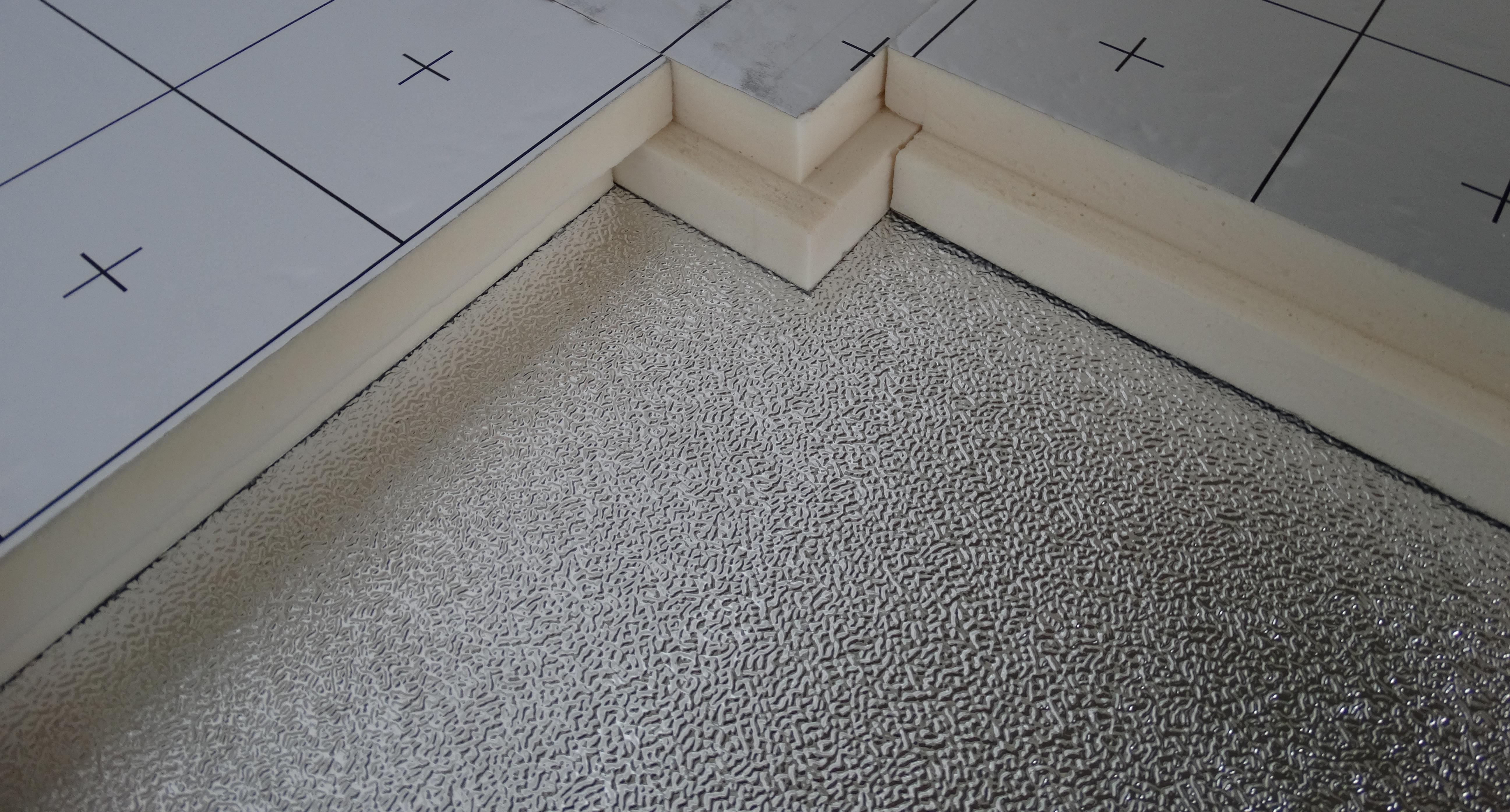
Rigid & PIR
Blow catalysts and trimerization grades for rigid insulation foam, including HFO-blown systems and PIR panels.

Low-Odor Amine
Reactive, low-emission catalysts that hold amine odor down for automotive interiors and other sensitive interiors.
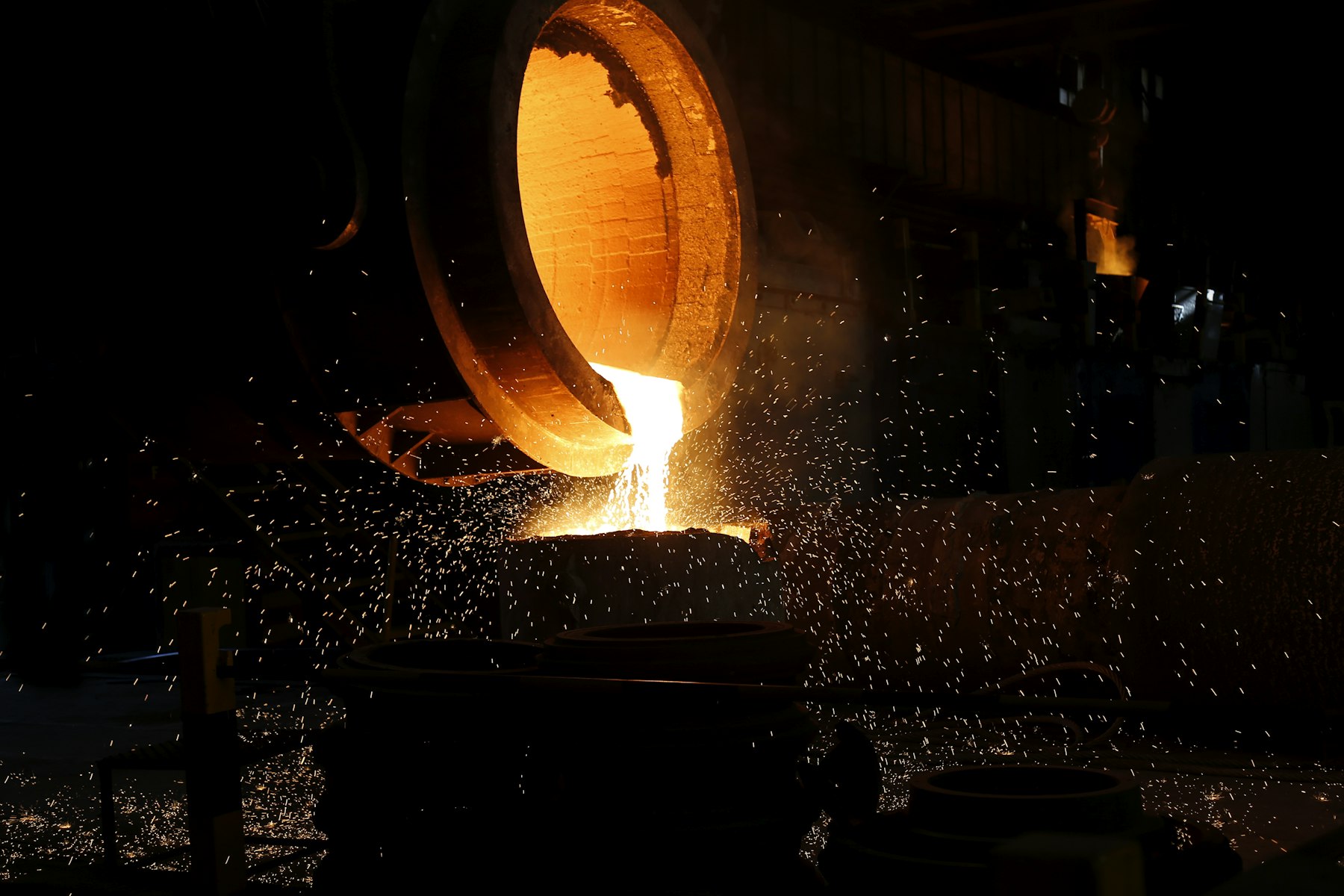
Metal & Epoxy
Tin, bismuth, and mercury-free metal gel catalysts for elastomers and sealants, plus imidazole and amine curing agents for epoxy resins.
ISP CAT G1500
Environmentally friendly substitute for organic mercury and organotin catalysts, offering comparable cure performance with a cleaner…
ISP CAT TA5600
Metal-type delayed strong-gel polyurethane catalyst — free of mercury, lead, tin, and nickel, and compliant with…
ISP CAT NP640
Thermosensitive polyurethane composite metal catalyst that stays low in activity at ambient temperature and activates on…
The Full Catalog
Every catalyst and additive we make, filterable by application. Click any grade to compare up to five side by side.
The Blow/Gel Balance
Drag the balance to see what it does to the cell structure — and which grade holds that balance in practice.
- Open-cell content
- —
- Approx. density
- —
- Cure window
- —
Six stages, ninety seconds
Every foam we help make passes through the same six stages — the catalyst decides how fast each one happens relative to the others. Scroll to trace the reaction.
Featured Grades
The grades our own technical team recommends first, across the most common formulation problems.
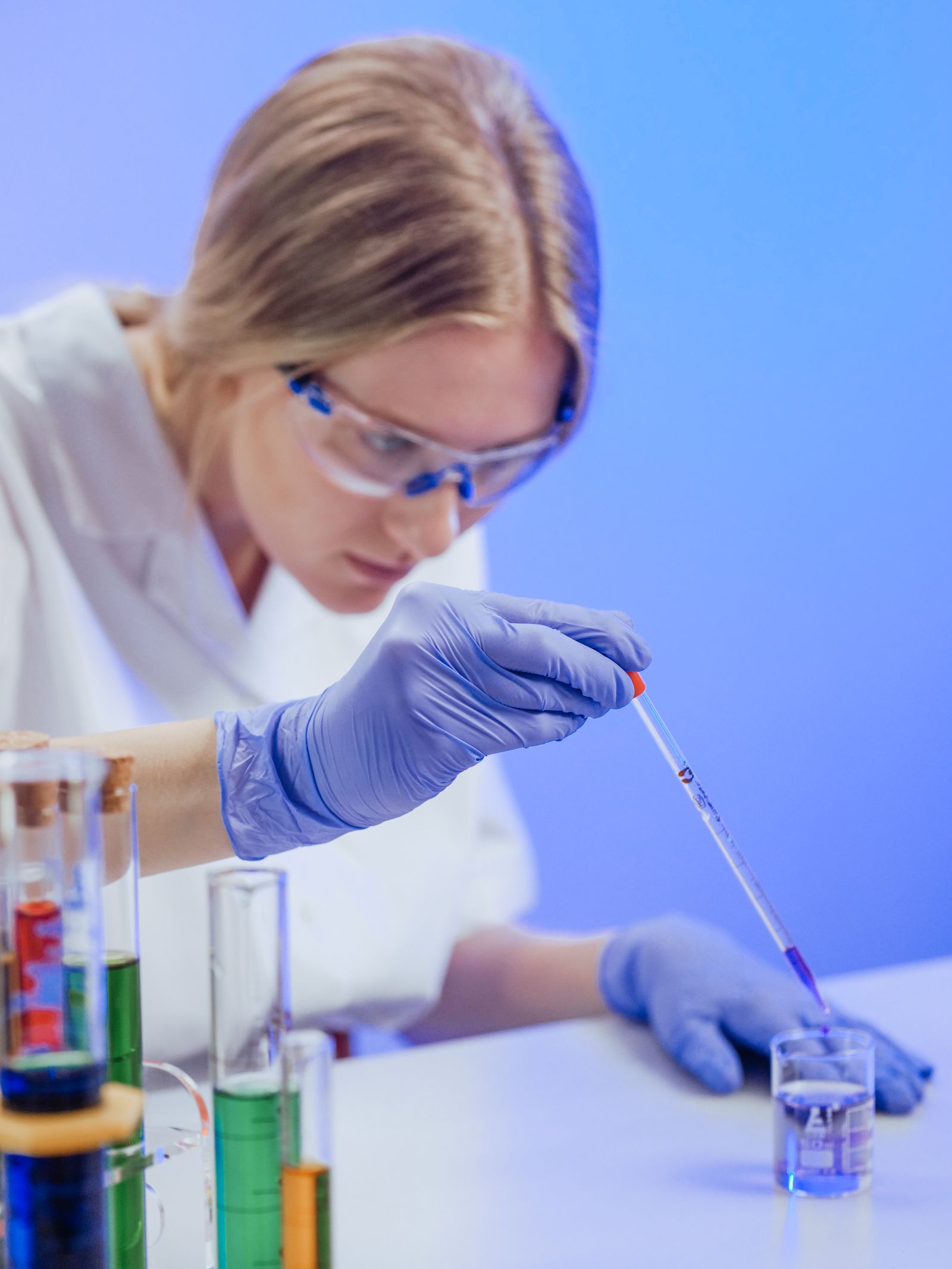
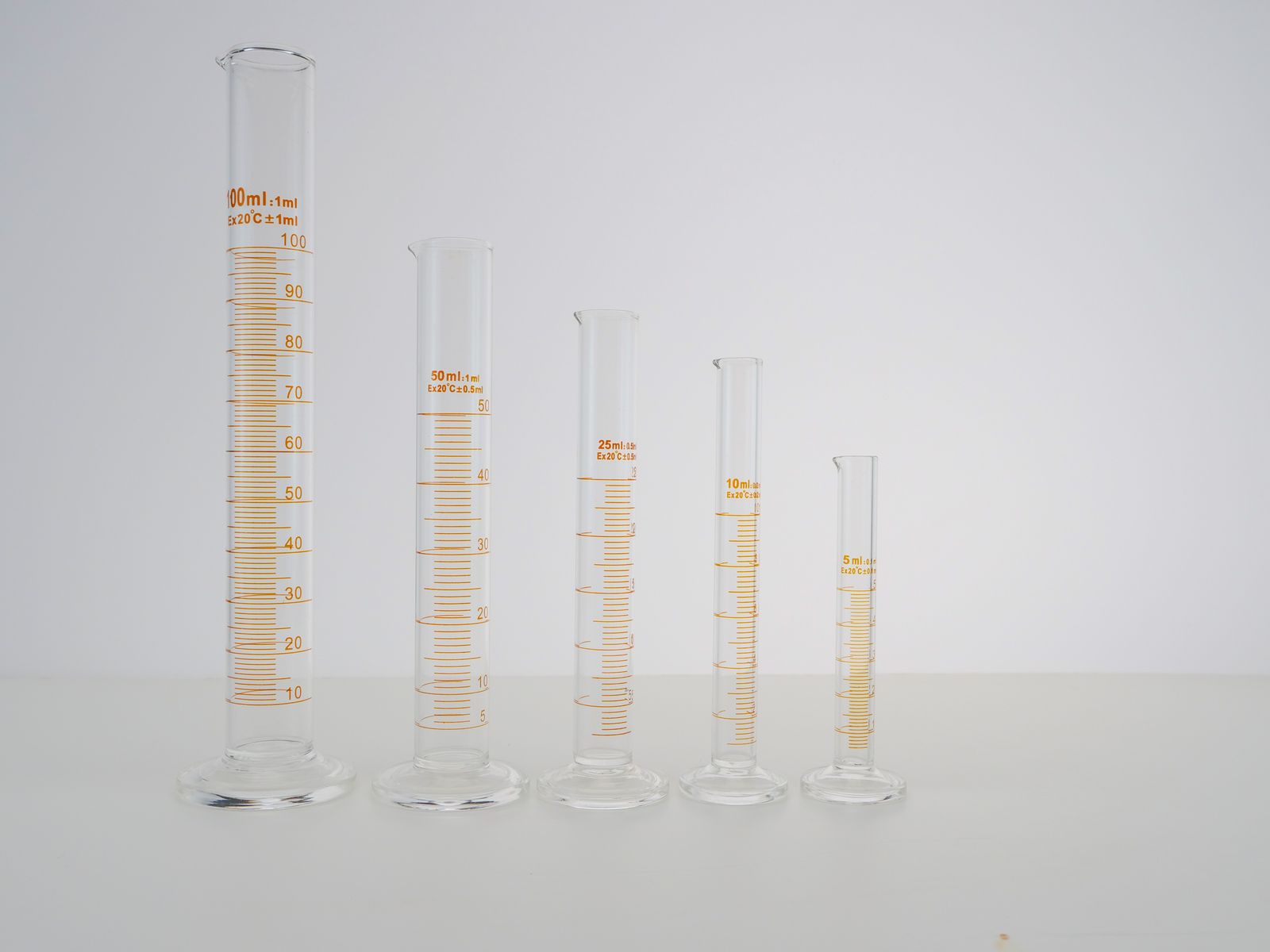
A catalyst doesn't show up in the finished part. It shows up in whether the part exists at all.
“Most people never think about the ninety seconds between mixing and demold. We think about nothing else.”
Dr. Wen Li
Head of Catalyst Development
Technical News
Formulation notes and application notes from our technical team.
Why the blow/gel balance is the whole game in foam design
Every polyurethane foam formulation is a race between two reactions: water and isocyanate generating CO2 gas (blow), and polyol and…
Aldehyde scavenger improves automotive interior air quality
A new-generation aldehyde scavenger reduces formaldehyde and acetaldehyde in automotive molded foam, helping eliminate new-car odor and meet increasingly strict…
Raising crosslink density in waterborne PU coatings after water evaporation
A key challenge for waterborne coatings is the crosslink density of the film once the water has evaporated. The right…
Waterborne polyurethane catalysts: improving WPU resin cure
Traditional waterborne polyurethane can suffer from slow cure and poor water resistance. Targeted catalysts address these limitations, raising crosslink density…
High-activity PU curing catalysts solve slow cure in humid weather
In high-humidity conditions the cure speed of polyurethane coatings is severely affected, lengthening construction cycles and risking lower film quality.…
Talk to our technical team
Datasheets, samples, and formulation support — tell us the application and we'll recommend a starting grade.
Technical labs in Shanghai · REACH / RoHS-compliant options · Datasheets on request